
Collaboration is key to CVRM care and will help sustain the NHS, according to conference chair Dr Kevin Fernando
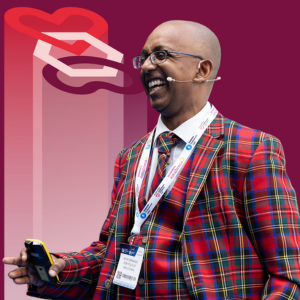
Breaking down siloed approaches to cardiovascular, renal and metabolic (CVRM) care will not only benefit patients but will ease pressure on clinicians and NHS resources, the chair of CVRM Professional Care will discuss at the upcoming conference.
Dr Kevin Fernando, a Portfolio GP with an Extended Role in Diabetes at NHS Lothian, specialises in the management of type 2 diabetes, obesity and weight management along with all CVRM conditions.
He will deliver a session entitled ‘Defining CVRM’ at CVRM Professional Care, which takes place at Olympia in London, on October 20 and 21, and is the first of its kind to shine a spotlight on some of the biggest developments and challenges shaping CVRM care.
Dr Fernando, who hopes to raise the profile of integrated care in CVRM with his primary care colleagues, will outline what it looks like and how crucial it is.
While his passion has always been diabetes, Dr Fernando said he realised very early on in his career that the condition is very often only one part of the picture.
He said: “Diabetes rarely comes by itself. Cardiovascular disease is one of the leading causes of death for people with diabetes, while up to 40 per cent of people with diabetes have evidence of kidney disease, so we must not look at these conditions individually. We have to look at a patient holistically and manage these conditions together.”
Dr Fernando points to how current diabetes guidance reflect this, with recent updates to NICE guidelines encouraging clinicians to look beyond the traditional markers of glycaemia and glucose, and explore the presence of significant, associated long term conditions.
He said: “I would say that integrated, holistic care is not just important, it’s mandatory. Otherwise, the result is fragmented care for someone living with diabetes which could impact both their quality and quantity of life.
“It’s also not sustainable from an NHS resource perspective because when you look at these conditions in isolation, it generates multiple referrals, multiple blood tests and so on.”
Education, such as the CVRM Professional Care conference, is key to breaking down the barriers to integrated care, Dr Fernando says.
“We have been talking about this joined up approach for several years, but it remains to be implemented on a widespread basis and that’s due to a number of barriers,” he said.
“Many areas are still very silo-driven – there needs to be greater working between primary and secondary care, and between specialties in secondary care. This will take collaboration, joint quality improvement activities and more joined-up education. Our patients don’t present in silo so our own education should not be approached in silo.
“That’s what I’m looking forward to at CVRM Professional Care – more integrated, joined-up education across the CVRM sphere.”
Delegates at the conference will hear from other speakers about centres of excellence where integrated care is at the heart of practice, and how these models can be implemented elsewhere in the county.
Dr Fernando’s session, ‘Defining CVRM’, will take place on October 20, from 9.15am to 10am in the Keynote Theatre.