‘Treat the person rather than the condition’ – CVRM Professional Care delegates to hear how integrated care can reduce health inequalities
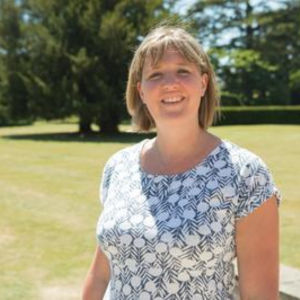
A consultant pharmacist who is speaking at the upcoming CVRM Professional Care conference has said integrated care could be instrumental in reducing health inequalities as cardiovascular, renal and metabolic conditions are concentrated in deprived communities.
Hannah Beba is one of three speakers taking part in the debate ‘CVRM care in 2026 – what comes first?’ at CVRM Professional Care, which takes place at Olympia in London, on October 20 and 21.
The event is the first of its kind to shine a spotlight on some of the biggest developments and challenges shaping CVRM care.
Hannah, who is Consultant Pharmacist for Diabetes at West Yorkshire ICB and Chair of the Diabetes Steering Group and Cardio-Renal-Metabolic Expert Working Group for Leeds, will explore how integrated care means one conversation with a patient, one plan and medicines chosen for their combined benefit.
Hannah’s experience in this field began with an early interest in diabetes.
“Working with people living with type 2 diabetes, it became obvious very quickly that I was rarely managing one condition,” she said.
“The same person would have raised blood pressure, declining kidney function, excess weight and heart disease risk, often looked after by several different teams, each optimising their own piece.
“As the evidence for SGLT2 inhibitors and GLP-1 receptor agonists grew, showing benefits that crossed heart, kidney and metabolic outcomes, the case for thinking about these conditions together became impossible to ignore.”
Hannah said integrated care is so vital because that is how patients experience these conditions, saying: “Cardiovascular disease, chronic kidney disease, type 2 diabetes and obesity share the same underlying drivers, cluster in the same people, and are concentrated in our most deprived communities. Yet our pathways, guidelines, contracts and clinics are still largely built around single organs.”
She said fragmented care means multiple appointments, conflicting advice, missed opportunities to start treatments that protect more than one organ, and polypharmacy that nobody owns.
Integrated care, meanwhile, is where the biggest gains in reducing health inequalities lie, and where the system can get best value from high-cost treatments that are now arriving at scale, Hannah said.
She will be joined at the conference session by Ramzi Ajjan, Professor of Metabolic Medicine and an Honorary Consultant in Diabetes and Endocrinology at the University of Leeds and Leeds Teaching Hospitals NHS Trust, and Victoria Ruzala, Specialist Pharmacist in Cardiology and Heart Failure at North Bristol NHS Trust.
Their session is built around the NHS 10 Year Plan’s three shifts, applied to CVRM care. In ‘Treatment to prevention’, speakers from cardiology, diabetes and renal will each make the case for what should come first when starting therapy and preventing progression.
‘Analogue to digital’ will look at the practical role of technology and data, from diabetes technology, wearables and AI-supported diagnostics to risk stratification across CVRM registers.
Finally, ‘Hospital to community’ will explore how specialist care can move into neighbourhoods through outreach, multidisciplinary team meetings and better case-finding in primary care, drawing on examples.
Hannah said: “We hope that the key message delegates will take away is that there is no single ‘first’ intervention: the priority is protecting the heart, kidneys and metabolic health together, and doing it early.
“Technology and data are only valuable if they help us find the right people and commission more responsively. Specialist expertise has most impact when it supports primary care teams, rather than waiting for patients to reach hospital. The three shifts only work when they work together.”
The session, ‘CVRM care in 2026 – what comes first?’, will take place on October 21, from 9.30am to 10.15am, in the Keynote Theatre.