ABPI Disclaimer


CVRM Professional Care is sponsored by the pharmaceutical and med tech industries via Grants, Sponsorship, and Exhibition packages. Pharmaceutical companies have solely provided sponsorship through the purchase of exhibition space and/or sponsored speaker sessions with no further input into the arrangements or agenda of the meeting. Sessions delivered with input from our sponsors will always be marked on the programme. A full list of confirmed sponsors for CVRM Professional Care is available here.
 

Conference Programme

CVRM Professional Care features a dedicated programme across three theatres designed to support healthcare professionals working across cardiovascular, renal and metabolic care in primary and secondary care settings. Sessions will cater to a wide range of roles, including consultants, GPs, specialist nurses, ICS & ICB members, clinical leads, pharmacists, and others involved in prevention, diagnosis, treatment, and long-term patient management. The programme will also include focused content on key specialist areas across CVRM, helping attendees stay up to date with the latest guidance, clinical insights and practical approaches to improving patient outcomes. See the full list of theatres below.

CVRM Professional Care is sponsored by the pharmaceutical and med tech industries via grants, sponsorship, and exhibition packages. Pharmaceutical companies have solely provided sponsorship through the purchase of exhibition space and/or sponsored speaker sessions with no further input into the arrangements or agenda of the meeting. Sessions delivered with input from our sponsors will always be marked on the programme.

Sessions will still keep getting added as they get confirmed so keep checking back for updates.

Keynote Theatre
  1. Keynote Theatre
    Defining CVRM
  2. Keynote Theatre
    MASLD: a practical approach to diagnosis, staging and management
    The session aims to provide a practical understanding of how to recognise, assess, and manage patients with MASLD, particularly those at risk of progressive liver disease.
  3. Keynote Theatre
    • Lunch & Learn session
    Keynote Theatre
    Residual risk : LDL C, triglycerides and where to start
    This promotional session is organised and funded by Recordati Pharmaceuticals Limited. Professor Derek Connolly has received a speaker honorarium from Recordati for this presentation.
  4. Keynote Theatre
    Beyond today’s numbers. Are we missing the patient at risk?
    Using recognisable patient scenarios, this session asks a practical question: can a patient appear well controlled based on today’s measurements while carrying a higher long-term metabolic burden? We will follow this question from the consulting room to the evidence, examining discordance between conventional risk assessment and Skin Autofluorescence (SAF). The session then turns to practice: which patients might benefit from AGE measurement, what could an unexpectedly high result trigger, and what is needed to integrate this information into existing CVRM and perioperative pathways?
  5. Keynote Theatre
    This panel will explore how obesity should be understood, diagnosed and managed as part of integrate ...
  6. Keynote Theatre
  7. Keynote Theatre
    Join us for a session focussing on the use of SGLT2i for the management of cardio-renal-metabolic disease in non-diabetic patients. The panel will cover evidence, prescribing and practical insights relating to what have become foundational therapies in multiple disease states over the course of the last few years. The session will include ample time for discussion, so bring any burning questions you might have to keep things lively, interactive and informative.
  8. Keynote Theatre
Clinical Theatre
  1. Clinical Theatre
  2. Clinical Theatre
    HbA1c alone isn't enough: the case for whole-person care in T2D
    This is a promotional sponsored symposium developed, organised, and funded by Lilly for UK Healthcare Professionals. Lilly products will be discussed. Lilly has provided a sponsorship towards this conference, however, have had no input, control, or influence over the agenda, speaker selections, presentations, or collateral content, except for this symposium session. Prescribing information and Adverse Event reporting information will be available during the session. CMAT-45879 October 2026
  3. Clinical Theatre
    • Lunch & Learn session
    Clinical Theatre
    Overcoming barriers to cardiorenal optimisation: A practical guide for managing chronic hyperkalaemia
    This is a promotional symposium sponsored and organised by AstraZeneca and is intended for UK HCPs only.
  4. Clinical Theatre
    This session presents menopause as an inflection point for cardiovascular, renal and metabolic risk in women with kidney disease. It summarises what is known and unknown about HRT in CKD, challenges the assumption that chronic kidney disease is a barrier to treatment, and highlights practical and system-level actions to improve equitable access to menopause care.
  5. Clinical Theatre
  6. Clinical Theatre
    People living with diabetes frequently have coexisting cardiovascular, renal and metabolic conditions, many of which remain under-recognised or suboptimally managed. While hospital admissions traditionally focus on resolving acute medical or surgical problems, they also present important opportunities to reassess long-term health needs and improve future outcomes. This session will examine these opportunities through national NHS data and real-world evidence from an established inpatient diabetes service. It will explore the burden of cardiometabolic multimorbidity among hospitalised patients, opportunities to identify gaps in routine diabetes care, and how healthcare information systems and multidisciplinary teams can facilitate more proactive and integrated approaches. Particular attention will be given to the emerging evidence supporting inpatient initiation of SGLT2 inhibitors in appropriately selected patients, alongside the importance of clinical stability, patient safety and areas where further research is needed. Beyond pharmacotherapy, the session will consider other opportunities, including obesity management, diabetes technologies, diagnostic reassessment and person-centred approaches to long-term condition management. Finally, the session will highlight the critical importance of discharge planning, clear communication and shared responsibilities between hospital teams, primary care, community services and patients themselves.
  7. Clinical Theatre
    A real world evaluation of a culturally responsive lifestyle medicine service at North Lewisham PCN, demonstrating improvements in glycaemic outcomes through personalised holistic support for people living with Type 2 Diabetes and non diabetic hyperglycaemia
  8. Clinical Theatre
Integrated Care & Pathways Theatre
  1. Integrated Care & Pathways Theatre
    The unexpected impact of infections on long-term conditions.
    As above
  2. Integrated Care & Pathways Theatre
  3. Integrated Care & Pathways Theatre
    CVD modern service framework: Time for a step change in CVKM management
    Overview* The CVD Modern Service Framework sets out 12 Immediate Priorities to improve cardiovascular outcomes across England. This session will take us beyond policy ambition to focus on practical delivery. Late diagnosis and under treatment of cardiovascular-kidney-metabolic risk factors is widespread and longstanding. Achieving the MSF priorities will require step change in management of CVKM conditions. Continued incremental change will not be enough. So how can we do this? This session will explore best practice examples of how effectively utilising real world data, implementing structured workstreams and collaboration across the healthcare system can optimise patient care at scale.
  4. Integrated Care & Pathways Theatre
    Practical management of testosterone deficiency (TD) in adult men
    This is a promotional symposium sponsored and organised by Besins Healthcare (UK) Ltd and is intended for UK HCPs only. MAT-PROMO-TES-0342
  5. Integrated Care & Pathways Theatre
    From fasting to safety:  improving paediatric perioperative care with POCT
    This session will review the rationale, design, and key findings of the FIGS study, and discuss their implications for perioperative glucose monitoring and the optimisation of fasting management in paediatric surgical patients.
  6. Integrated Care & Pathways Theatre
    This session will provide an overview of Hybrid Closed Loop (HCL) technology and its role in transforming care for people living with type 1 diabetes. Through practical examples, attendees will explore how HCL technology is improving clinical outcomes, enhancing quality of life, and supporting a shift towards more preventative, personalised and digitally enabled care. The presentation will showcase the Health Innovation Network Hybrid Closed Loop and Type 1 Diabetes Outpatient Transformation Programme, highlighting how national, regional and local partners are working together to increase access to HCL technology and drive wider service transformation. Particular focus will be given to the role of primary care in identifying eligible patients, supporting informed conversations about technology, and promoting equitable access to treatment. Attendees will leave with a clear understanding of the programme's aims, practical opportunities for engagement, and how HCL technology can support delivery of the NHS three shifts, from hospital to community, from treatment to prevention, and from analogue to digital care.

  7. Integrated Care & Pathways Theatre
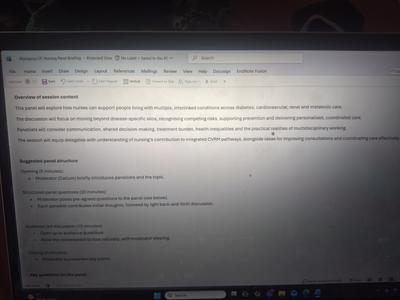
    This panel will explore how nurses can support people living with multiple, interlinked conditions a ...
  8. Integrated Care & Pathways Theatre
    A real-world case study of the Lewisham LTC Integrated Neighbourhood Team — how it was co-designed, how population health data is used to proactively find and prioritise patients with cardiovascular, renal and metabolic disease, and what early evaluation is telling us about impact. Practical lessons, honest challenges, and a view on where neighbourhood-based CVRM care goes next.
  9. Integrated Care & Pathways Theatre
    Working in partnership with KRUK, Diabetes Africa as a third sector organisation is collaborating with the primary healthcare sector to improve the offering for people of Black heritage living with diabetes and kidney disease. Looking at data quality, cultural appropriateness, and awareness to improve outcomes.
  10. Integrated Care & Pathways Theatre
  11. Integrated Care & Pathways Theatre
    Managing Multiple Long-Term Conditions: Cancer and CVRM Conditions This session explores the challenges of managing cardiovascular complications in patients undergoing cancer treatment, particularly those living with multiple long-term conditions. Using a real-world cardio-oncology case study, the presentation will demonstrate how early recognition of cardiovascular dysfunction, rapid optimisation of heart failure therapy and effective multidisciplinary collaboration can improve cardiac outcomes while minimising disruption to cancer treatment. Key areas include the recognition and management of treatment-related hypertension and heart failure, interpretation of cardiac biomarkers, monitoring of symptoms and vital signs, and the importance of timely clinical intervention. The session highlights the value of an integrated, patient-centred approach to cardio-oncology care, supporting informed clinical decision-making and continuity of cancer treatment.

Keynote Theatre
  1. Keynote Theatre
  2. Keynote Theatre
    This session will provide an authoritative overview of the current NICE recommendations and their pr ...
  3. Keynote Theatre
    There is agreement across the clinical world that the 4 pillars of care are hugely beneficial. Delivery across primary and secondary care in the UK remains suboptimal. This talk will explore the barriers to the implementation of the 4 pillars across primary and secondary care and provide recommendations to help clinical teams achieve greater uptake.
    • Lunch & Learn session
    Keynote Theatre
    Triglycerides & CVD:  It's about the risk not the number!
    This promotional session is organised and funded by Recordati Pharmaceuticals Limited. Dr Mohamed Elnaggar has received a speaker honorarium from Recordati for this presentation.
  4. Keynote Theatre
    Modern Service Framework: cardiovascular disease - what does this mean for me?
  5. Keynote Theatre
    In this session we will highlight the key principles needed to translating CVRM concepts into routine practice.
  6. Keynote Theatre
    Ultra-processed food addiction is an emerging area of clinical and research interest. For some patients, repeated difficulty changing dietary patterns may not be due to lack of knowledge, motivation or willpower, but to cravings, loss of control and relapse patterns that resemble addiction. This session will provide a brief overview of UPFA and present findings from the Liberate intervention, an online, peer-supported, addiction-informed psychoeducation programme for adults self-identifying with ultra-processed food addiction. It will explore how UPFA may overlap with binge eating symptoms and why this matters for clinicians supporting patients with obesity, type 2 diabetes, metabolic disease or repeated dietary relapse. The presentation will then translate these findings into practical clinical considerations, including how to recognise possible UPFA, how to ask non-shaming questions, how to use CRAVED as a brief screening tool.
  7. Keynote Theatre
    Managing CKD alongside multiple conditions: practical decision-making in complex patients
Clinical Theatre
  1. Clinical Theatre
    Closing the lipid gap: evidence-based management before specialist referral
  2. Clinical Theatre
  3. Clinical Theatre
    • Lunch & Learn session
    Clinical Theatre
    Overcoming barriers to cardiorenal optimisation: A practical guide for managing chronic hyperkalaemia
    This is a promotional symposium sponsored and organised by AstraZeneca and is intended for UK HCPs only.
  4. Clinical Theatre
  5. Clinical Theatre
    Balancing polypharmacy and deprescribing in CVRM
  6. Clinical Theatre
     
  7. Clinical Theatre
    People aged 65 and over account for around 40% of all admissions to hospital and around 60% of hospital bed days. People aged 74 and over consult with their GP almost twice as often as those aged between 45 and 64. Frailty is frequently observed in older patients and there are acknowedged issues with polypharmacy in this group. These issues must be considered when managing CVRM and researching this area.
  8. Clinical Theatre
Integrated Care & Pathways Theatre
  1. Integrated Care & Pathways Theatre
  2. Integrated Care & Pathways Theatre
    The regain problem: what happens when wraparound care is part of the GLP-1 pathway
    Weight regain after stopping GLP-1 therapy is now one of the most pressing questions in obesity care — real-world data shows most patients regain the majority of lost weight within a year of discontinuation. This session presents outcomes comparing regain trajectories and impact on disease reversal between patients who received structured wraparound care alongside their medicated pathway and those who didn't, and asks what this means for how NHS-commissioned services should be designed as GLP-1 prescribing scales.
  3. Integrated Care & Pathways Theatre
    Every GP has sent a referral that came straight back, and every patient in that loop ends up waiting twice. This session looks at why referral boomerangs happen between primary and secondary care and what the newest English data and policy say about them, including the contested role of Advice and Guidance. It then gives a practical three-step approach, drawn from lipid referral work and relevant across cardiovascular, renal and metabolic pathways. Step one is standardising how referrals are made and training admin teams so urgent referrals move faster than routine ones. Step two is reviewing your A&G. Step three is “thinking milk”: growing clinical autonomy in primary care by managing patients there where it is safe, using A&G for the grey areas, and sending only those who need it for full referral. You will leave with simple changes you can start in your own service on Monday.
  4. Integrated Care & Pathways Theatre
  5. Integrated Care & Pathways Theatre
  6. Integrated Care & Pathways Theatre
    The challenges of diabetes inpatient care- complex management
  7. Integrated Care & Pathways Theatre
    CVRM- getting the most out of medicines
    Cardiovascular Renal Metabolic (CVRM) risk factor detection and management is a key element of the Modern Service Framework for Cardiovascular Disease, published in July 2026. This session will highlight the importance of medicines optimisation along the CVRM continuum, the need to take a holistic approach and support patients with medicines adherence to deliver the best outcomes.
  8. Integrated Care & Pathways Theatre
    Culturally adapted dietary approaches to CVRM in primary care: practical strategies for diverse patient populations
    This is a practical session for GPs, nurses, pharmacists and other primary care clinicians. It uses the T-shaped plate model, adapted for each culture, to show how to give quick, realistic dietary advice for CVRM in a short appointment.
  9. Integrated Care & Pathways Theatre
    A missed opportunity in CVRM care: Making diabetes checks easier to access
    This session explores the role routine diabetes care plays in preventing cardiovascular and renal complications. It looks at the barriers that prevent people accessing care, the groups most likely to be missed, and practical approaches that can help improve access, participation and outcomes.


Partners